Caregiver Course
Caregiver Course
Caregiver Course
Caregiver Course
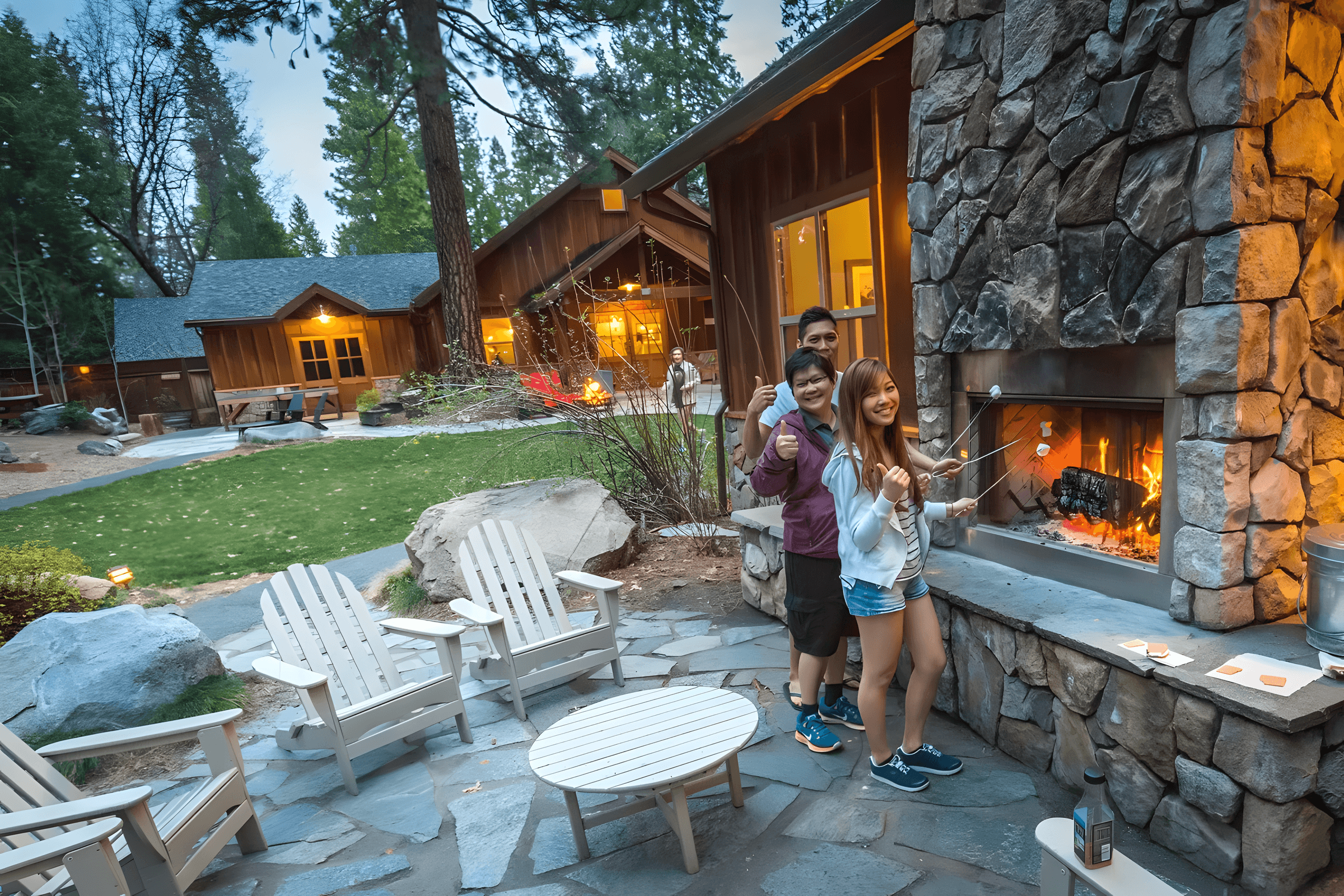
Train for hotels, restaurants, and cruise ships.
Build real skills. Get handsomely paid.
Train for hotels, restaurants, and cruise ships.
Build real skills.
Get handsomely paid.
Health•Elderly Care
Health•Elderly Care
Health•Elderly Care
Health•Elderly Care
Health•Elderly Care
Health•Elderly Care
Health•Elderly Care
Health•Elderly Care
Health•Elderly Care
Health•Elderly Care
Health•Elderly Care
Health•Elderly Care
Health•Elderly Care
Health•Elderly Care
Health•Elderly Care
Health•Elderly Care
Child Care•Support•Medication
Child Care•Support•Medication
Child Care•Support•Medication
Child Care•Support•Medication
Child Care•Support•Medication
Child Care•Support•Medication
Child Care•Support•Medication
Child Care•Support•Medication
Child Care•Support•Medication
Child Care•Support•Medication
Child Care•Support•Medication
Child Care•Support•Medication
Child Care•Support•Medication
Child Care•Support•Medication
Child Care•Support•Medication
Child Care•Support•Medication
Overview
The caregiver program starts by teaching the role and responsibility of a professional caregiver. Students learn how to provide care with respect, patience, and professionalism. From the beginning, the focus is on safety, comfort, and proper care for individuals who need support. This builds confidence and responsibility in real caregiving situations.
Duration
6 Months
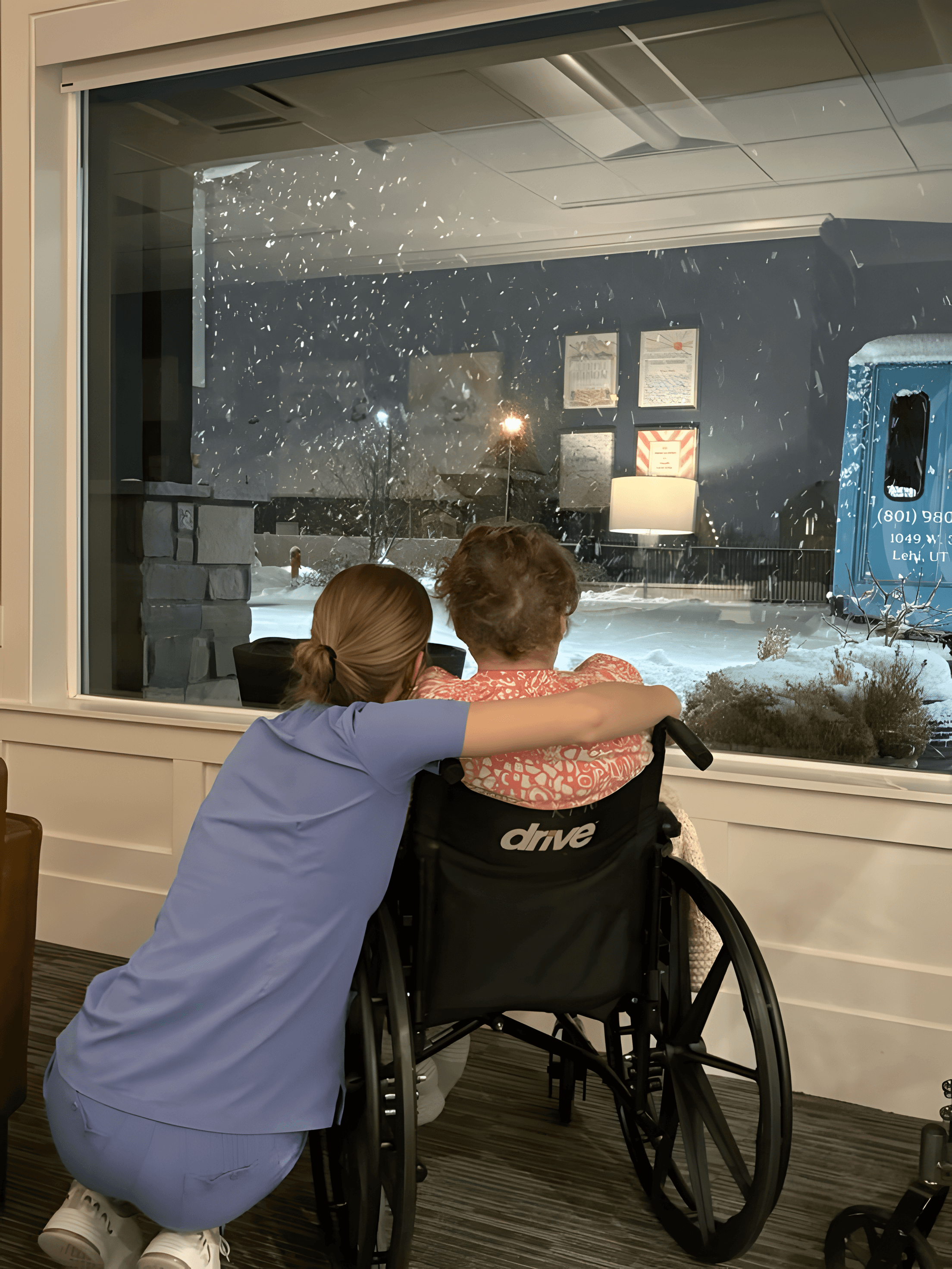
Personal Care and Daily Living Support
Students are trained to assist with daily activities that patients need help with. This includes bathing, grooming, dressing, and feeding. You learn how to help patients move safely and stay comfortable throughout the day. Training focuses on dignity, proper technique, and patient well-being.
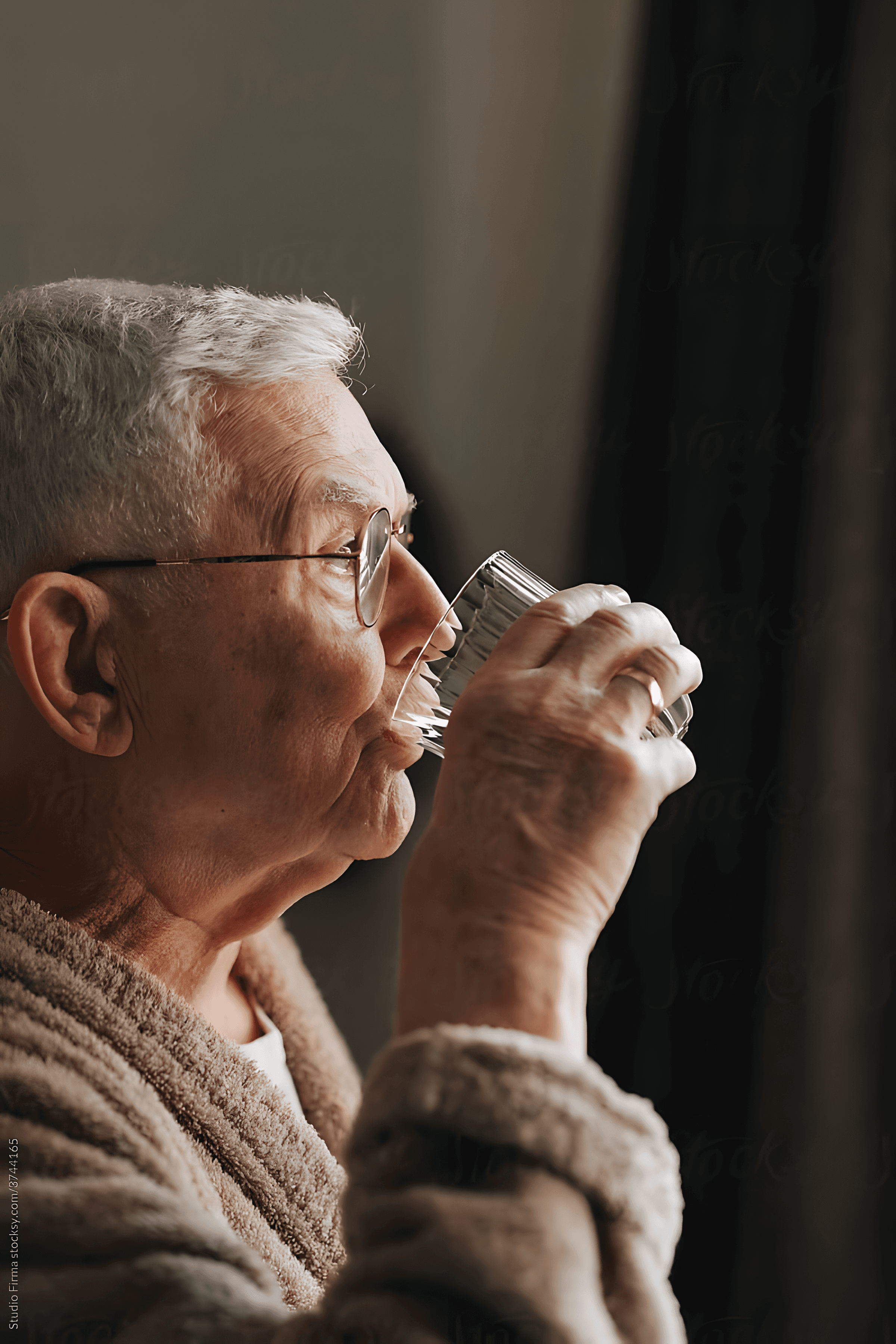
Medication Awareness and Assistance
Caregivers are trained to understand medication schedules and proper assistance procedures. Students learn how to support patients with medication while following safety rules. Training focuses on awareness, observation, and proper reporting rather than prescription.
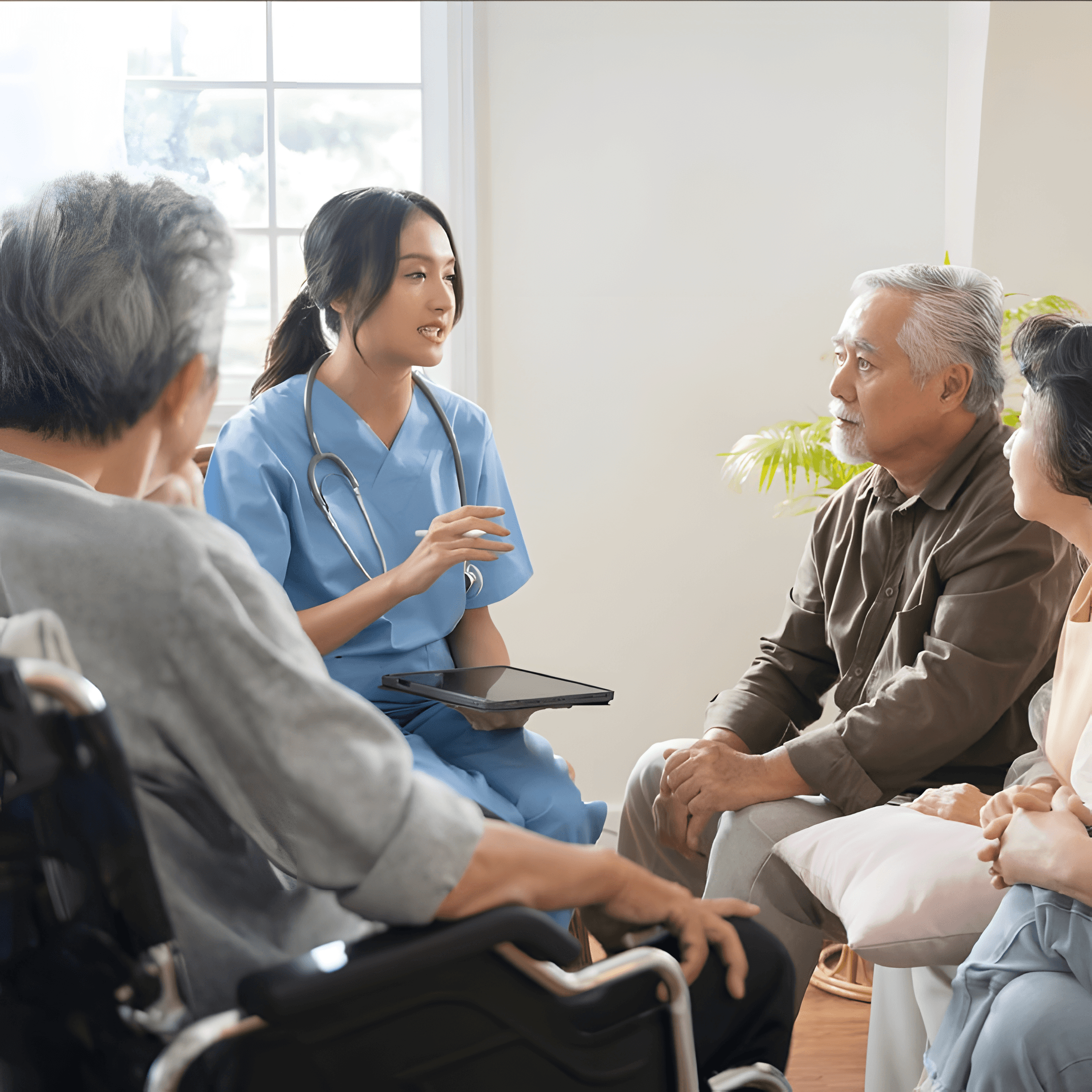
Health Monitoring and Basic Care
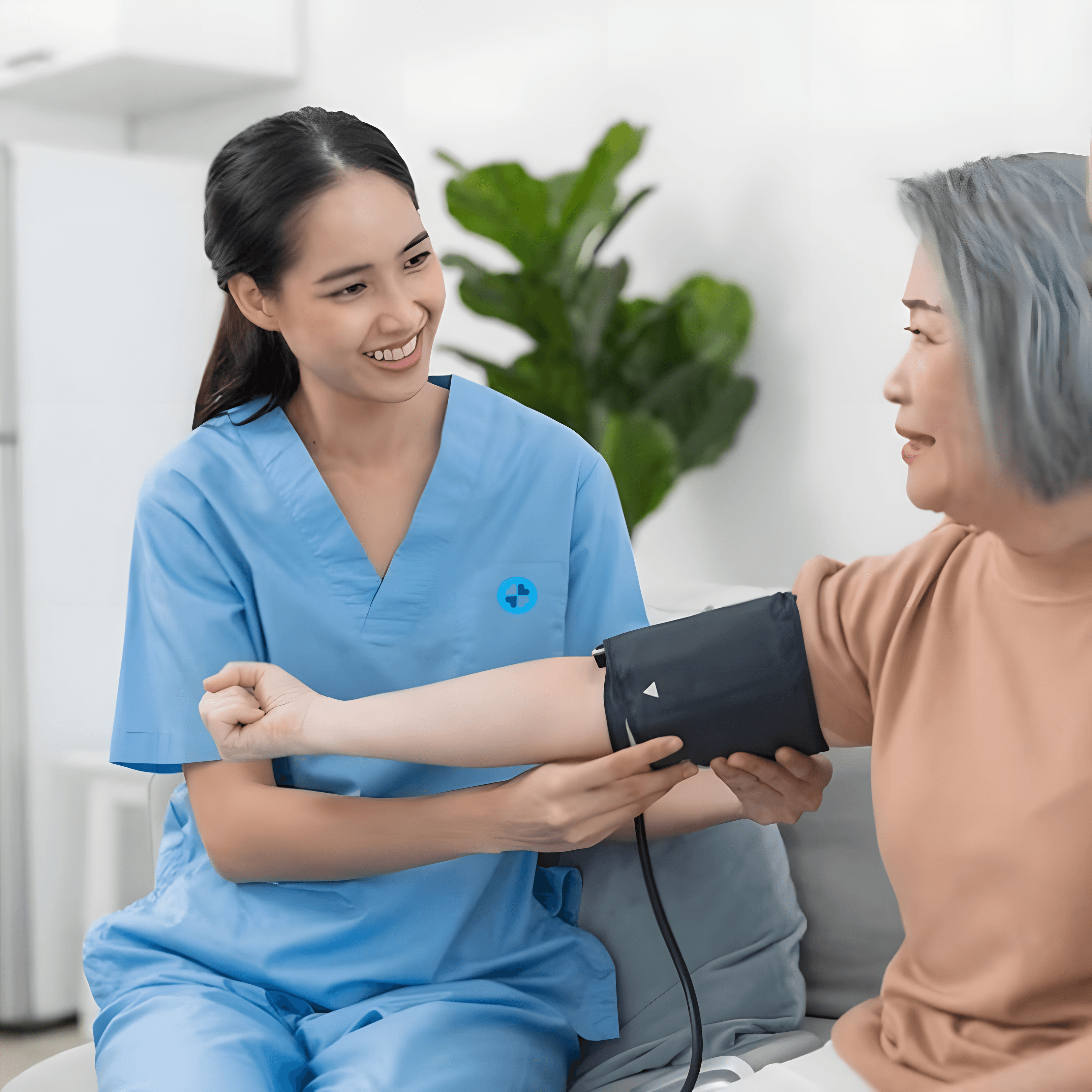
This stage focuses on observing and supporting patient health. Students learn how to take basic vital signs and monitor a patient’s condition. You are trained to notice changes and report them properly. This helps caregivers support doctors, nurses, and family members effectively.
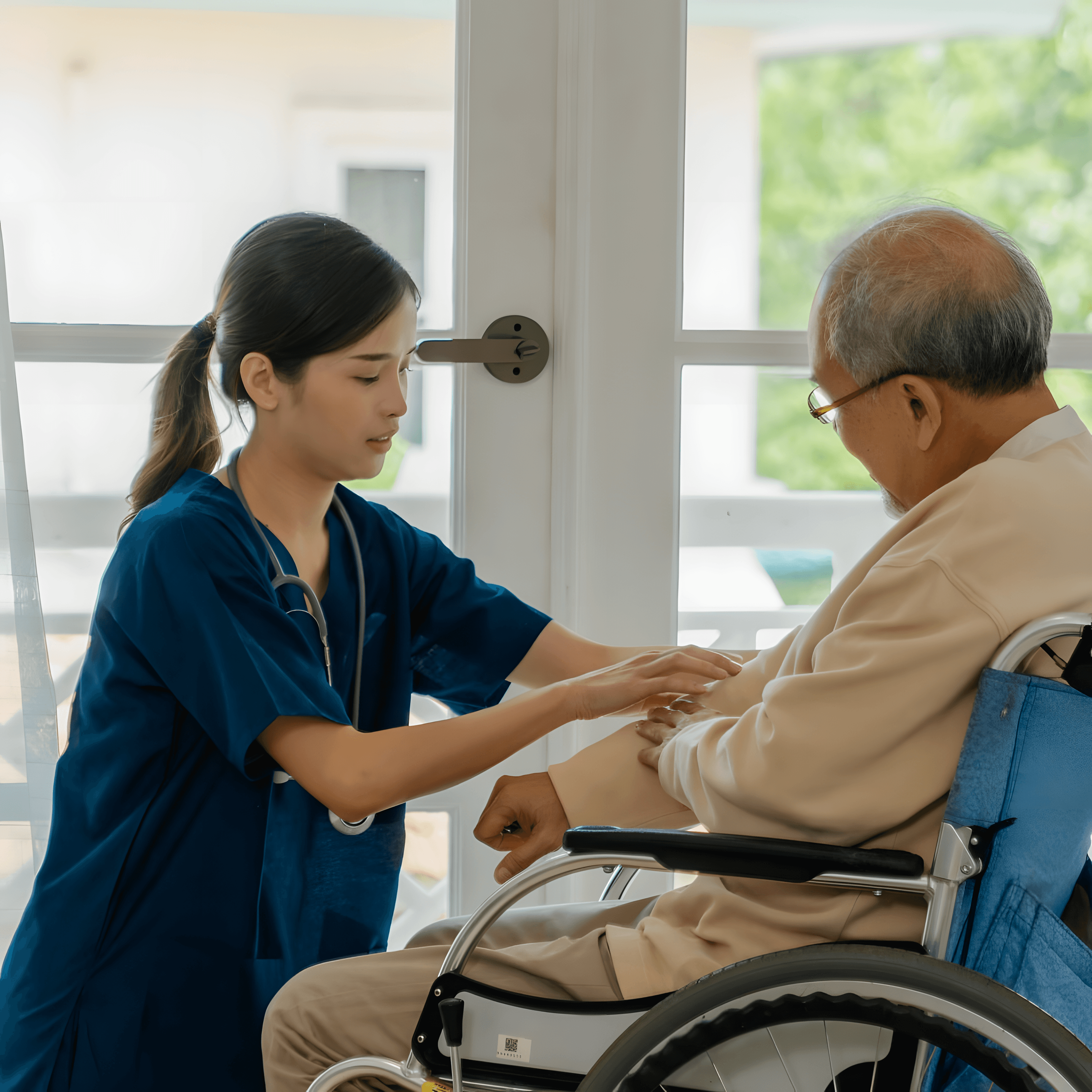
Elderly Care Training
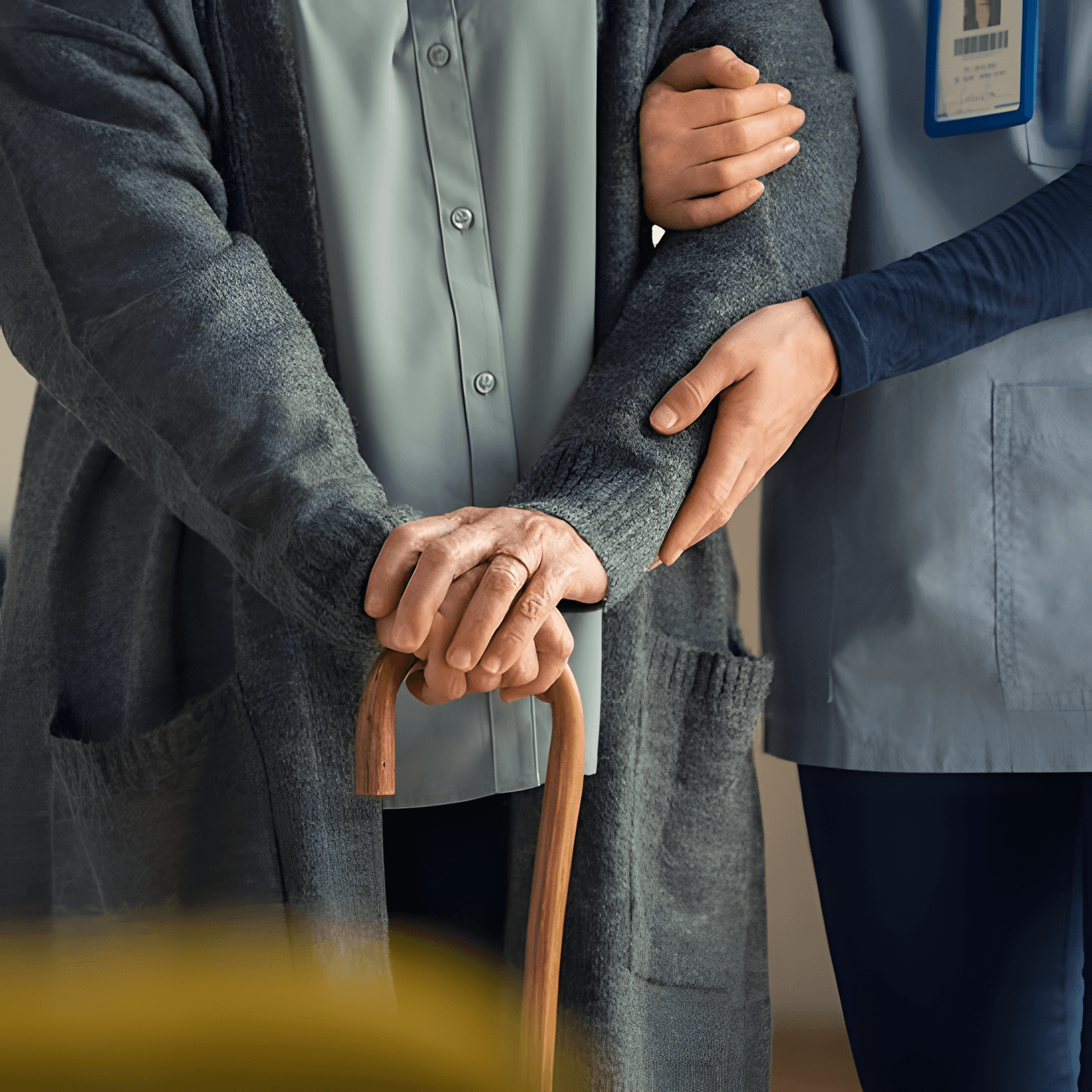
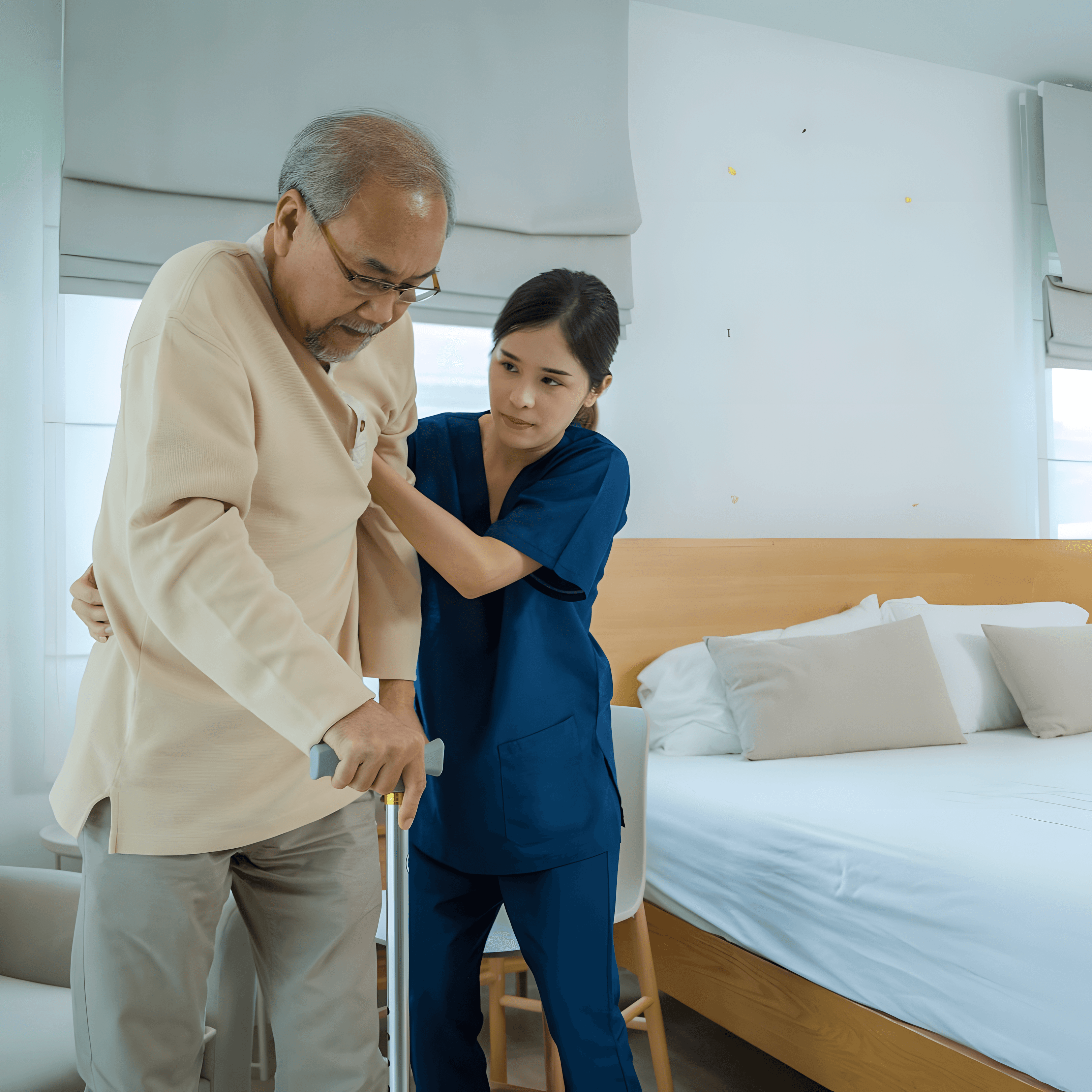
A large part of caregiving involves caring for seniors. Students learn how to support elderly patients with daily routines and mobility. Training includes emotional support, companionship, and understanding common age-related conditions. This prepares students for real elderly care environments.
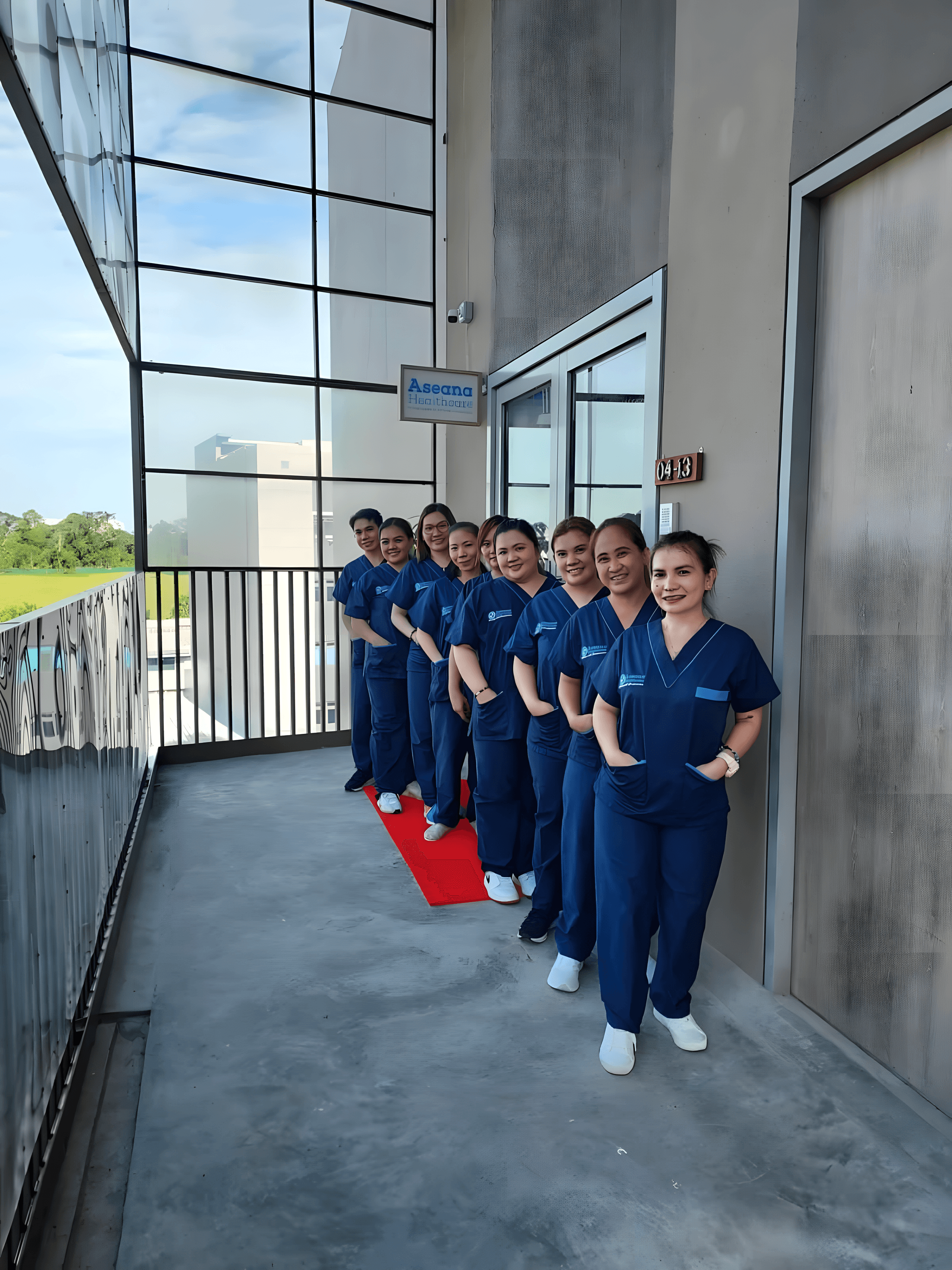
The Result
By the end of the program, students are ready for real caregiving work. You graduate with hands-on skills, confidence, and practical experience. The training prepares you for local or overseas caregiving opportunities where professional care is needed.

Overview
The caregiver program starts by teaching the role and responsibility of a professional caregiver. Students learn how to provide care with respect, patience, and professionalism. From the beginning, the focus is on safety, comfort, and proper care for individuals who need support. This builds confidence and responsibility in real caregiving situations.
Duration
6 Months
Personal Care and Daily Living Support
Students are trained to assist with daily activities that patients need help with. This includes bathing, grooming, dressing, and feeding. You learn how to help patients move safely and stay comfortable throughout the day. Training focuses on dignity, proper technique, and patient well-being.
Medication Awareness and Assistance
Caregivers are trained to understand medication schedules and proper assistance procedures. Students learn how to support patients with medication while following safety rules. Training focuses on awareness, observation, and proper reporting rather than prescription.
Health Monitoring and Basic Care
This stage focuses on observing and supporting patient health. Students learn how to take basic vital signs and monitor a patient’s condition. You are trained to notice changes and report them properly. This helps caregivers support doctors, nurses, and family members effectively.
Elderly Care Training
A large part of caregiving involves caring for seniors. Students learn how to support elderly patients with daily routines and mobility. Training includes emotional support, companionship, and understanding common age-related conditions. This prepares students for real elderly care environments.
The Result
By the end of the program, students are ready for real caregiving work. You graduate with hands-on skills, confidence, and practical experience. The training prepares you for local or overseas caregiving opportunities where professional care is needed.


Overview
The caregiver program starts by teaching the role and responsibility of a professional caregiver. Students learn how to provide care with respect, patience, and professionalism. From the beginning, the focus is on safety, comfort, and proper care for individuals who need support. This builds confidence and responsibility in real caregiving situations.
Duration
6 Months
Personal Care and Daily Living Support
Students are trained to assist with daily activities that patients need help with. This includes bathing, grooming, dressing, and feeding. You learn how to help patients move safely and stay comfortable throughout the day. Training focuses on dignity, proper technique, and patient well-being.
Medication Awareness and Assistance
Caregivers are trained to understand medication schedules and proper assistance procedures. Students learn how to support patients with medication while following safety rules. Training focuses on awareness, observation, and proper reporting rather than prescription.
Health Monitoring and Basic Care
This stage focuses on observing and supporting patient health. Students learn how to take basic vital signs and monitor a patient’s condition. You are trained to notice changes and report them properly. This helps caregivers support doctors, nurses, and family members effectively.
Elderly Care Training
A large part of caregiving involves caring for seniors. Students learn how to support elderly patients with daily routines and mobility. Training includes emotional support, companionship, and understanding common age-related conditions. This prepares students for real elderly care environments.
The Result
By the end of the program, students are ready for real caregiving work. You graduate with hands-on skills, confidence, and practical experience. The training prepares you for local or overseas caregiving opportunities where professional care is needed.
Overview
The caregiver program starts by teaching the role and responsibility of a professional caregiver. Students learn how to provide care with respect, patience, and professionalism. From the beginning, the focus is on safety, comfort, and proper care for individuals who need support. This builds confidence and responsibility in real caregiving situations.
Duration
6 Months
Personal Care and Daily Living Support
Students are trained to assist with daily activities that patients need help with. This includes bathing, grooming, dressing, and feeding. You learn how to help patients move safely and stay comfortable throughout the day. Training focuses on dignity, proper technique, and patient well-being.
Medication Awareness and Assistance
Caregivers are trained to understand medication schedules and proper assistance procedures. Students learn how to support patients with medication while following safety rules. Training focuses on awareness, observation, and proper reporting rather than prescription.
Health Monitoring and Basic Care
This stage focuses on observing and supporting patient health. Students learn how to take basic vital signs and monitor a patient’s condition. You are trained to notice changes and report them properly. This helps caregivers support doctors, nurses, and family members effectively.
Elderly Care Training
A large part of caregiving involves caring for seniors. Students learn how to support elderly patients with daily routines and mobility. Training includes emotional support, companionship, and understanding common age-related conditions. This prepares students for real elderly care environments.
The Result
By the end of the program, students are ready for real caregiving work. You graduate with hands-on skills, confidence, and practical experience. The training prepares you for local or overseas caregiving opportunities where professional care is needed.