BSHRM
BSHRM
BSHRM
BSHRM
Train for hotels, restaurants, and cruise ships.
Build real skills. Get handsomely paid.
Train for hotels, restaurants, and cruise ships.
Build real skills.
Get handsomely paid.
Restaurant•Hotel•Cruise
Restaurant•Hotel•Cruise
Restaurant•Hotel•Cruise
Restaurant•Hotel•Cruise
Restaurant•Hotel•Cruise
Restaurant•Hotel•Cruise
Restaurant•Hotel•Cruise
Restaurant•Hotel•Cruise
Restaurant•Hotel•Cruise
Restaurant•Hotel•Cruise
Restaurant•Hotel•Cruise
Restaurant•Hotel•Cruise
Restaurant•Hotel•Cruise
Restaurant•Hotel•Cruise
Restaurant•Hotel•Cruise
Restaurant•Hotel•Cruise
Bartender•Manager•Bartender
Bartender•Manager•Bartender
Bartender•Manager•Bartender
Bartender•Manager•Bartender
Bartender•Manager•Bartender
Bartender•Manager•Bartender
Bartender•Manager•Bartender
Bartender•Manager•Bartender
Bartender•Manager•Bartender
Bartender•Manager•Bartender
Bartender•Manager•Bartender
Bartender•Manager•Bartender
Bartender•Manager•Bartender
Bartender•Manager•Bartender
Bartender•Manager•Bartender
Bartender•Manager•Bartender
Overview
The program starts by teaching how hotels and restaurants actually work. You learn the structure of service businesses and how each department connects. From day one, the focus is on real operations, not theory. This builds a clear understanding of how guests are served and how teams work together.
Duration
4 yEARS
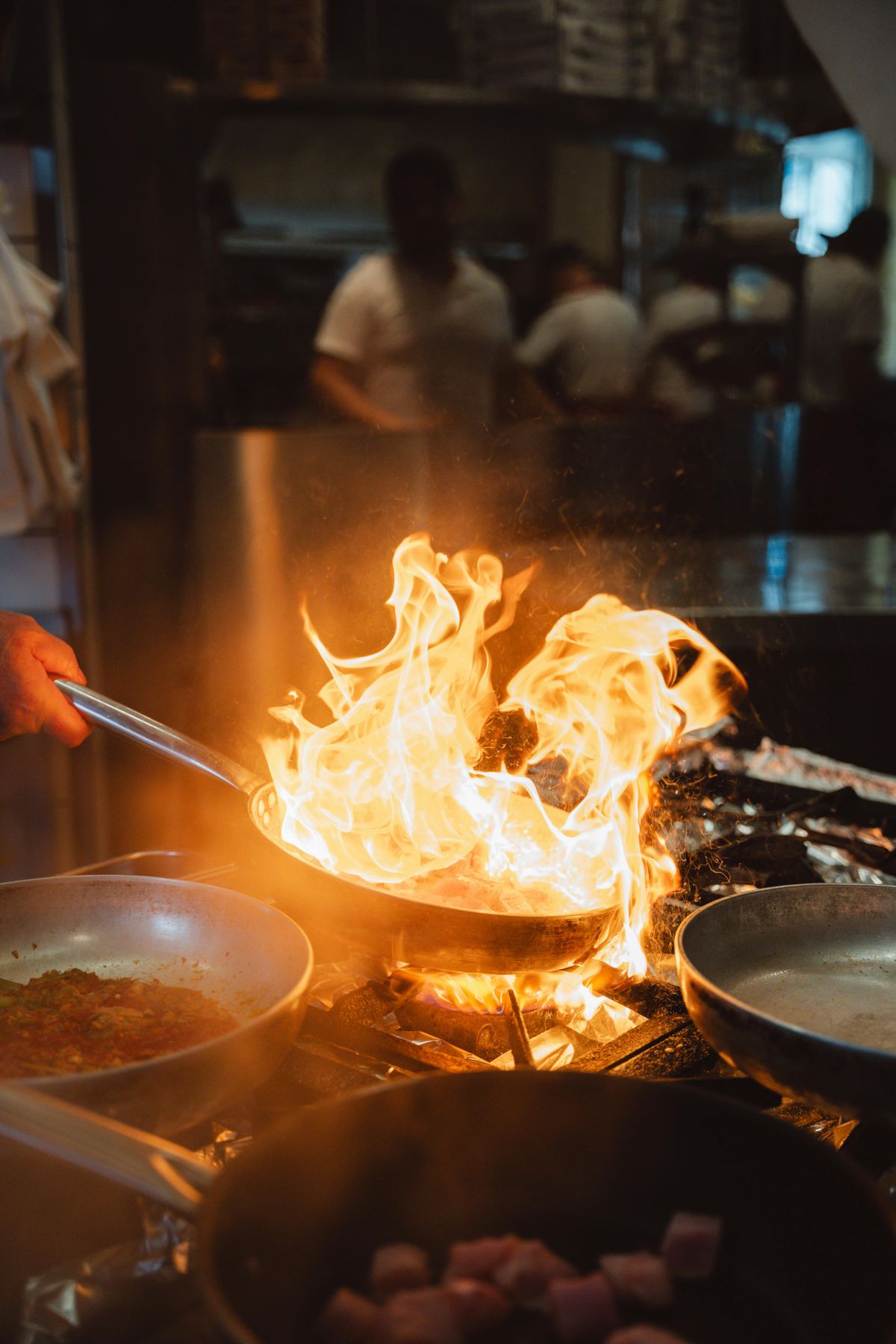
Hands-On Cooking
To manage food service, you first need to understand the kitchen. Students train in basic cooking and baking to learn how food is prepared and served. This helps you communicate better with kitchen staff and manage operations properly. You learn workflow, timing, and teamwork inside the kitchen.
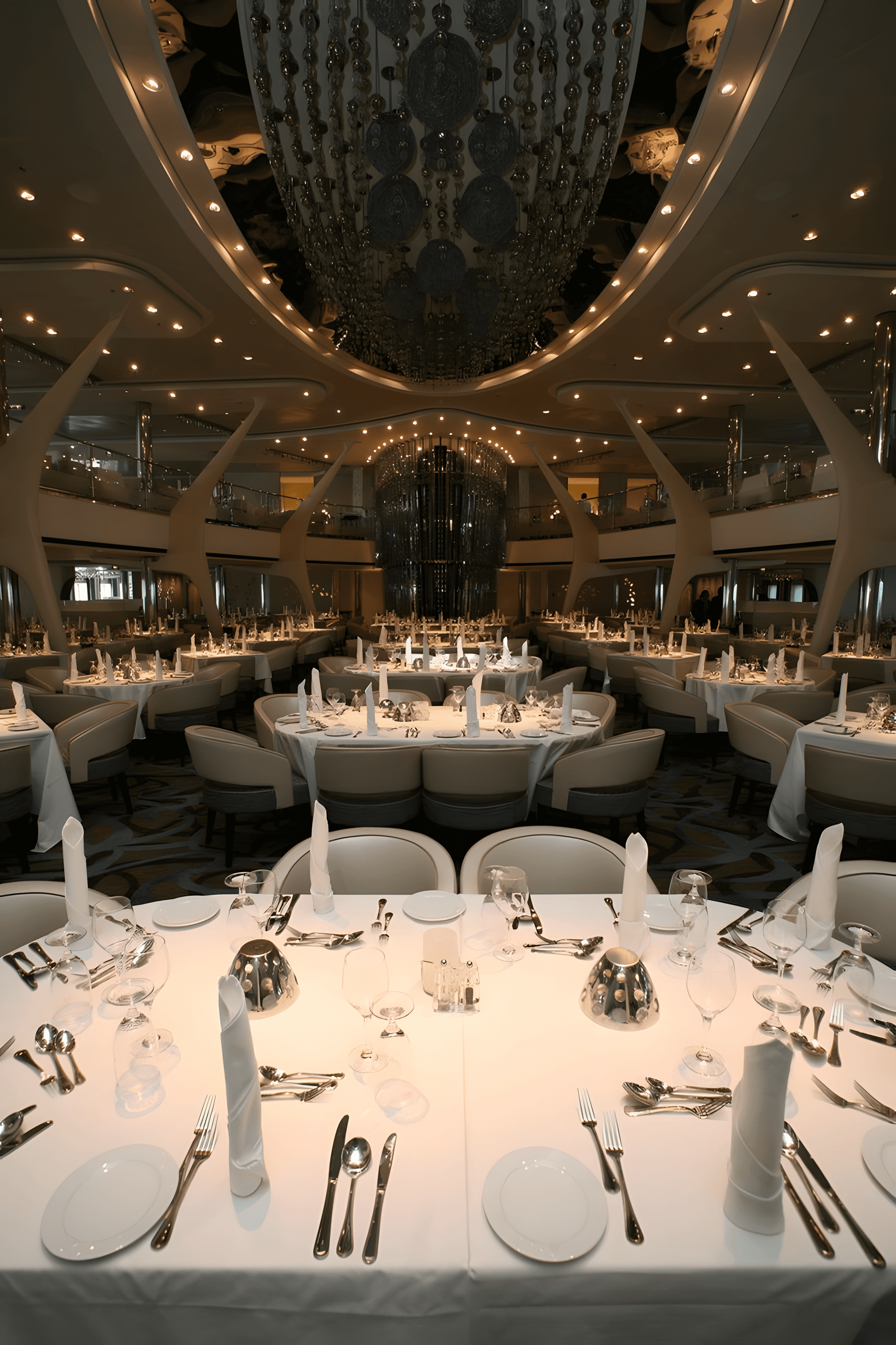
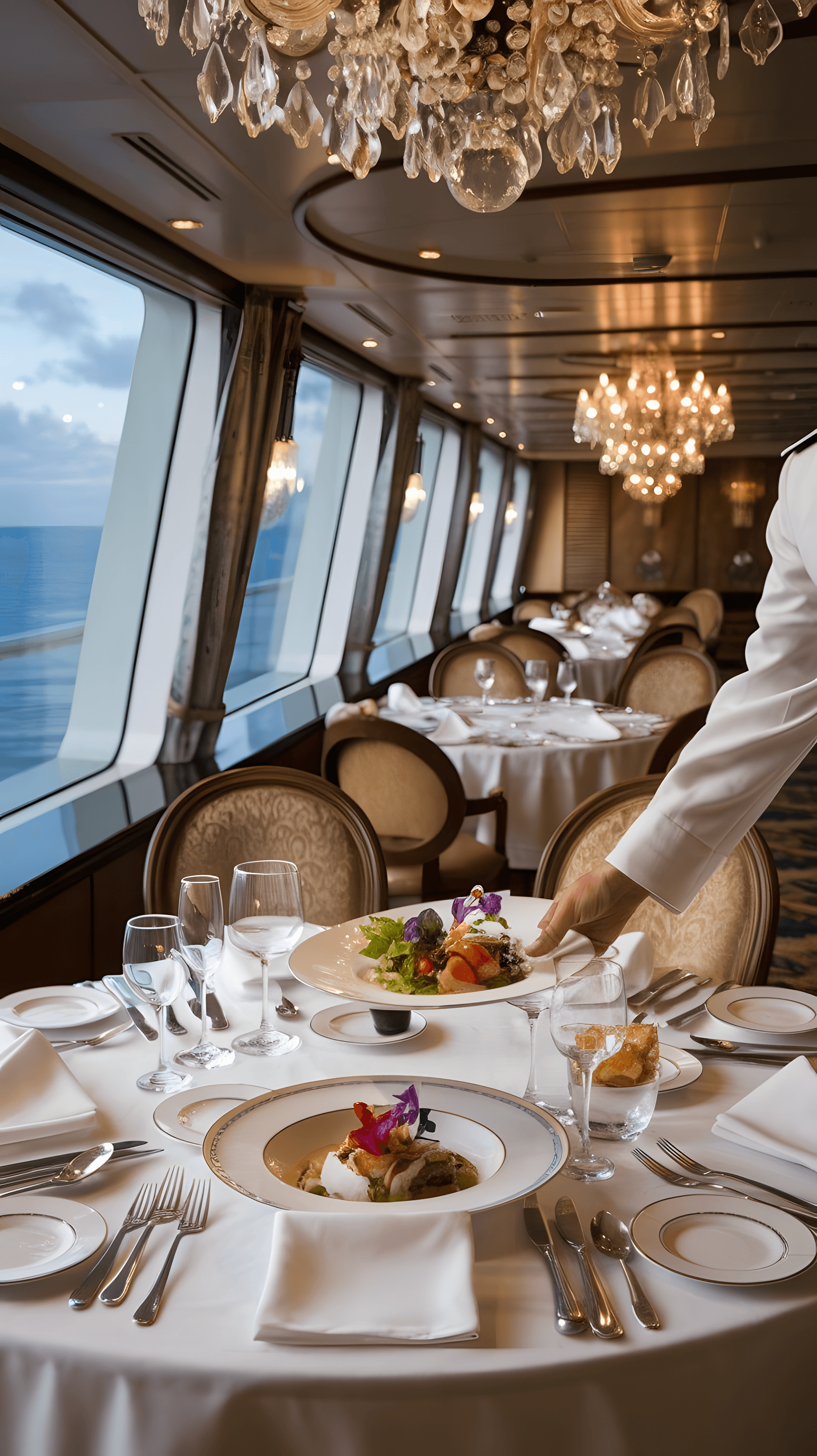
Food and Beverage Operations
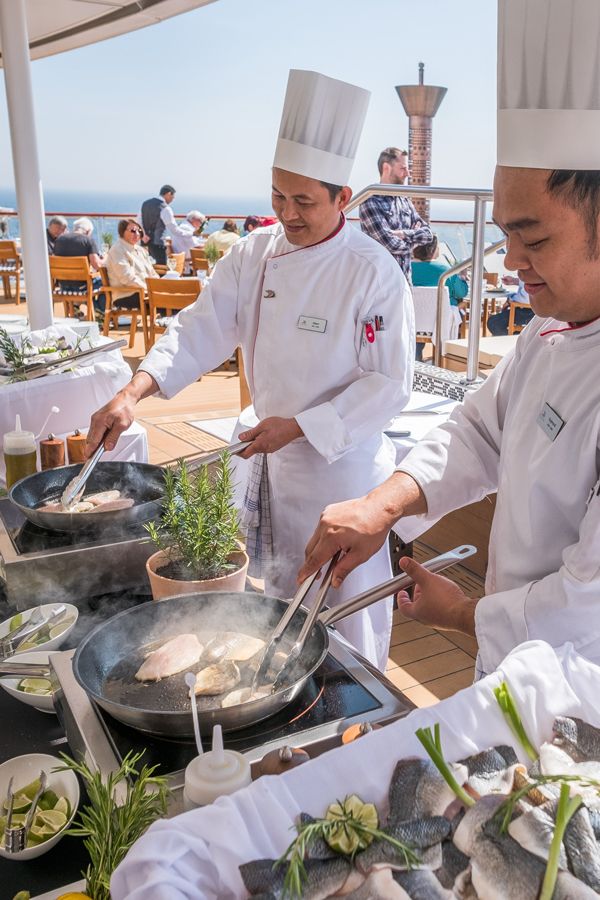
This stage focuses on service flow. You learn how dining service works from guest arrival to payment. Training includes table setup, order taking, service timing, and guest handling. You practice proper service standards used in hotels and restaurants. This builds confidence in front-of-house operations.
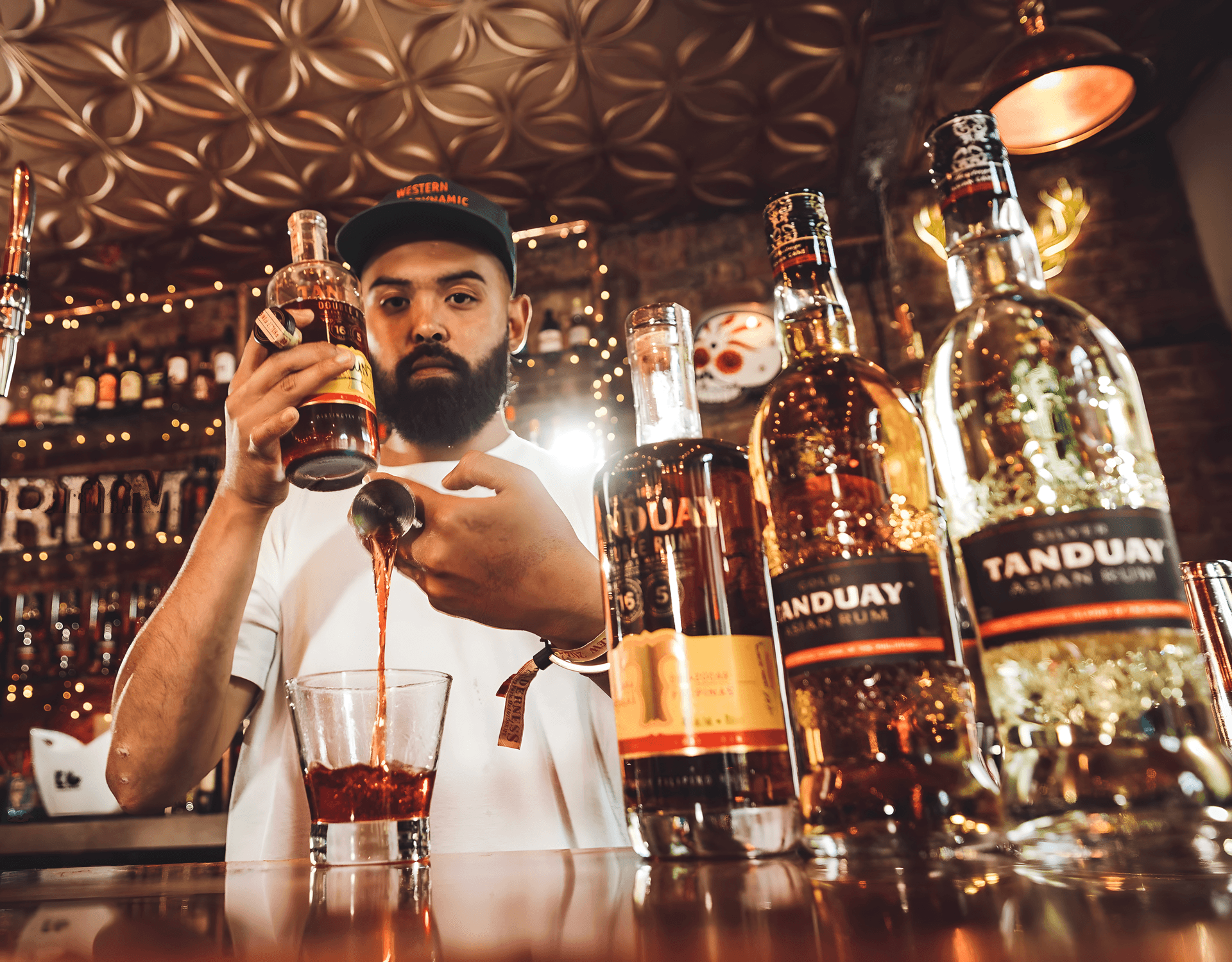
Bar, Bartending, and Beverage Service
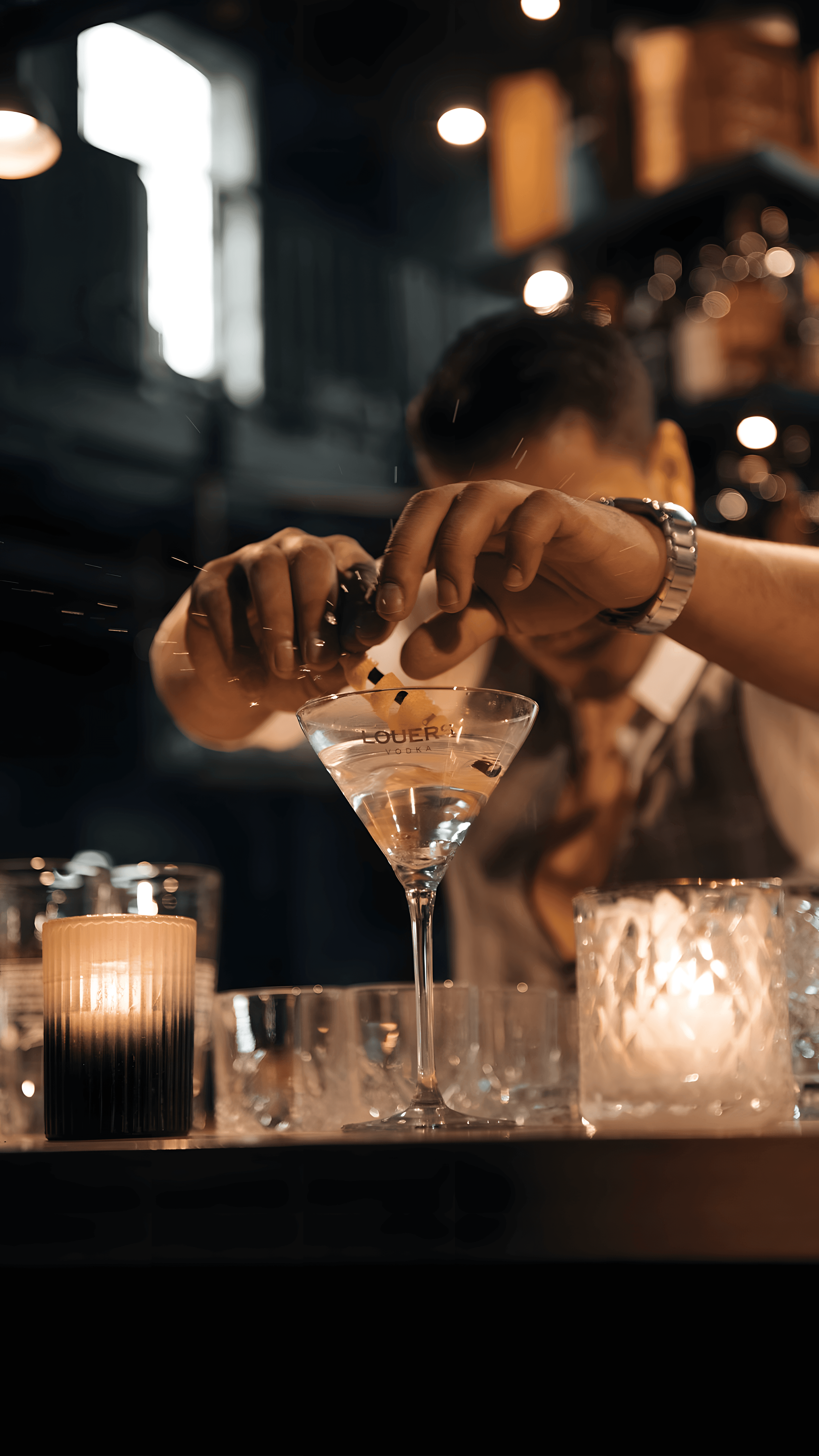
Students are trained in beverage service and bar operations. You learn basic bartending, wine mixing, and drink service. Barista skills are also introduced, including coffee preparation and handling. These skills are useful for hotels, cafes, bars, and resorts.
Inventory and Cost Awareness
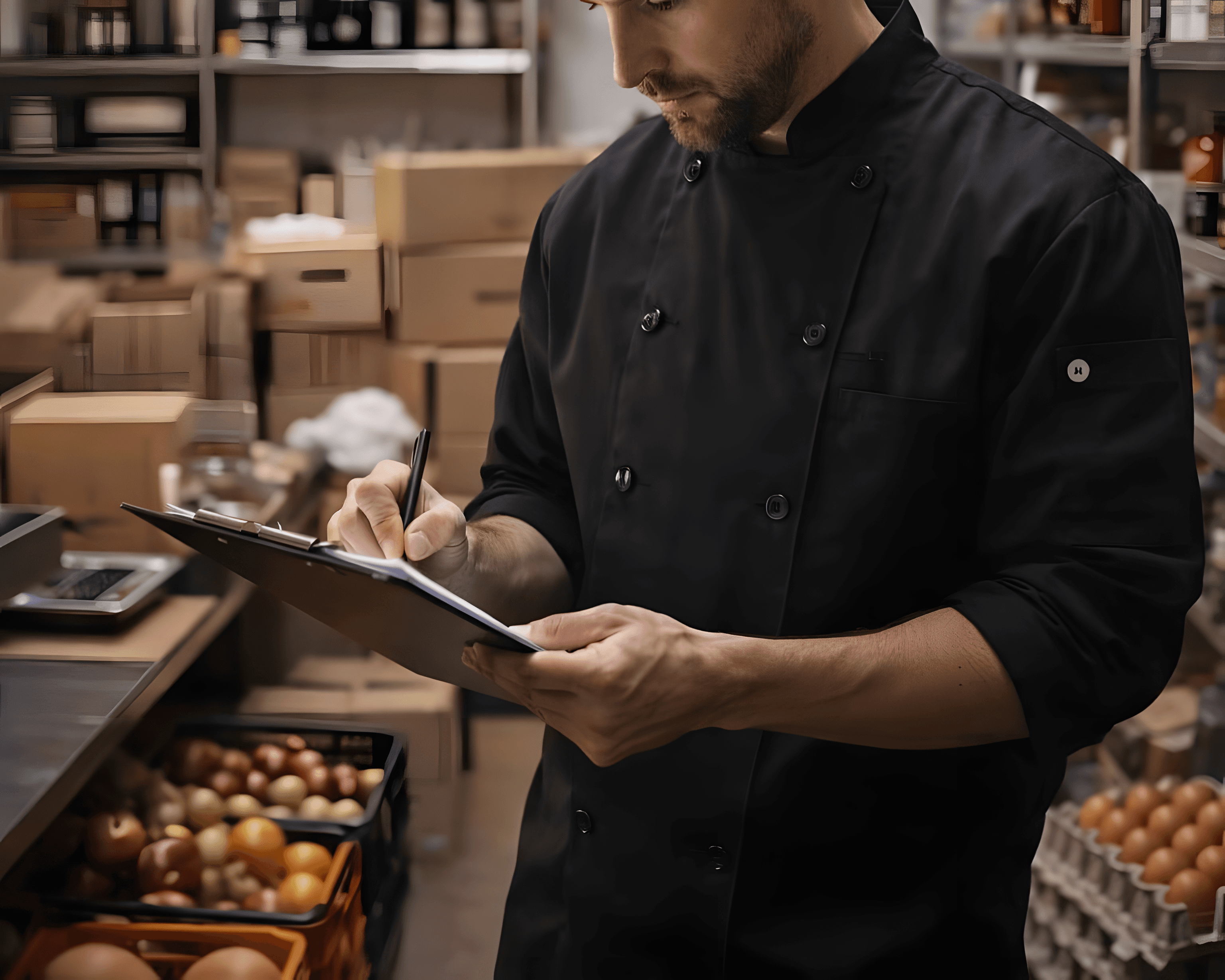
Students are trained to track supplies and materials properly. You learn how inventory is counted, stored, and used efficiently. This skill is important for reducing waste and keeping operations profitable. These are real management skills used in hotels and restaurants.
The Result
By the end of the program, students understand how hospitality businesses run. You graduate with practical skills, service confidence, and operational knowledge. The program prepares you for roles in hotels, restaurants, food and beverage service, and event operations.


Overview
The program starts by teaching how hotels and restaurants actually work. You learn the structure of service businesses and how each department connects. From day one, the focus is on real operations, not theory. This builds a clear understanding of how guests are served and how teams work together.
Duration
4 Years
Hands-On Cooking
To manage food service, you first need to understand the kitchen. Students train in basic cooking and baking to learn how food is prepared and served. This helps you communicate better with kitchen staff and manage operations properly. You learn workflow, timing, and teamwork inside the kitchen.
Food and Beverage Operations
This stage focuses on service flow. You learn how dining service works from guest arrival to payment. Training includes table setup, order taking, service timing, and guest handling. You practice proper service standards used in hotels and restaurants. This builds confidence in front-of-house operations.
Bar, Bartending, and Beverage Service
Students are trained in beverage service and bar operations. You learn basic bartending, wine mixing, and drink service. Barista skills are also introduced, including coffee preparation and handling. These skills are useful for hotels, cafes, bars, and resorts.
Inventory and Cost Awareness
Students are trained to track supplies and materials properly. You learn how inventory is counted, stored, and used efficiently. This skill is important for reducing waste and keeping operations profitable. These are real management skills used in hotels and restaurants.
The Result
By the end of the program, students understand how hospitality businesses run. You graduate with practical skills, service confidence, and operational knowledge. The program prepares you for roles in hotels, restaurants, food and beverage service, and event operations.


Overview
The program starts by teaching how hotels and restaurants actually work. You learn the structure of service businesses and how each department connects. From day one, the focus is on real operations, not theory. This builds a clear understanding of how guests are served and how teams work together.
Duration
4 Years
Hands-On Cooking
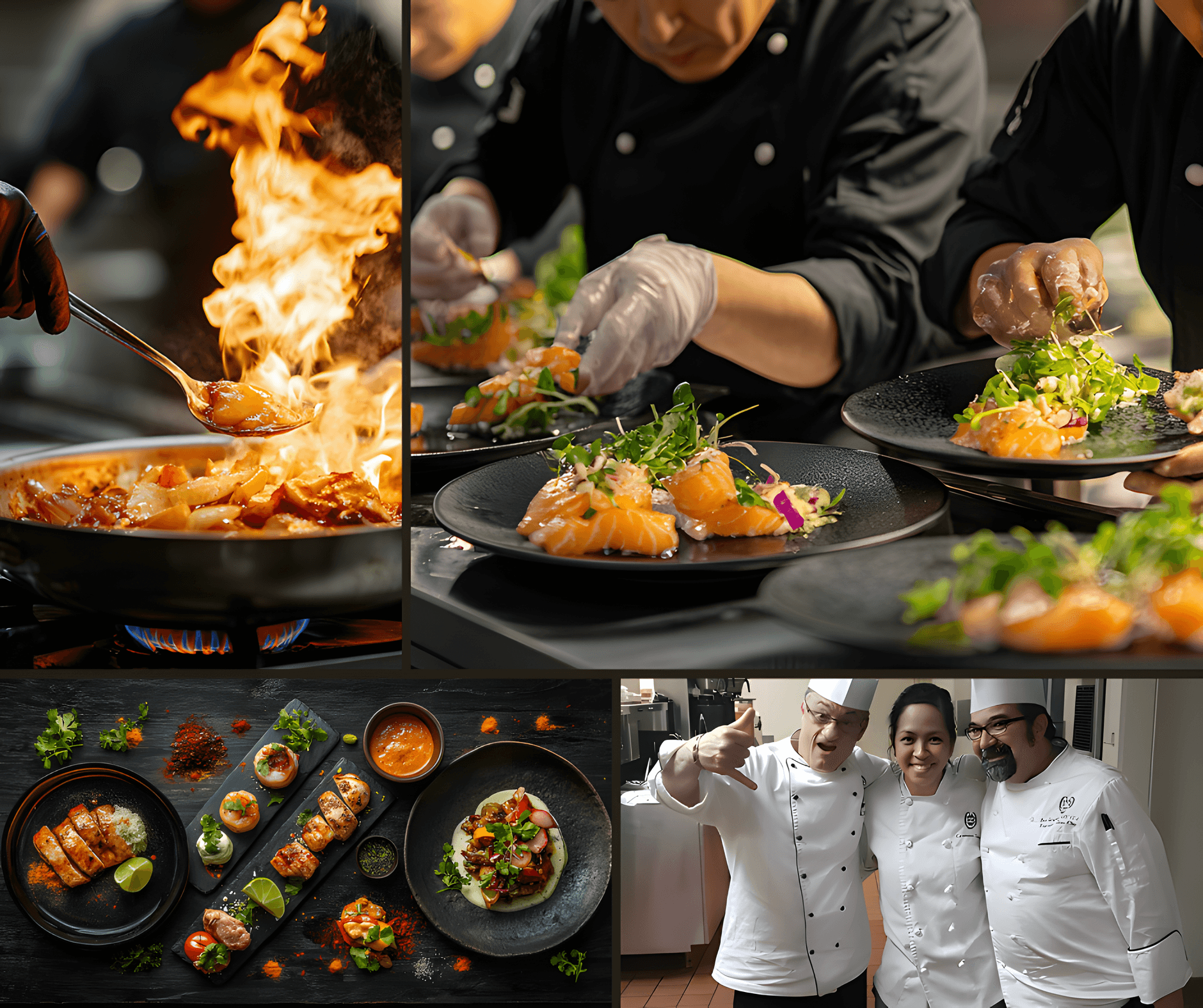
To manage food service, you first need to understand the kitchen. Students train in basic cooking and baking to learn how food is prepared and served. This helps you communicate better with kitchen staff and manage operations properly. You learn workflow, timing, and teamwork inside the kitchen.
Food and Beverage Operations
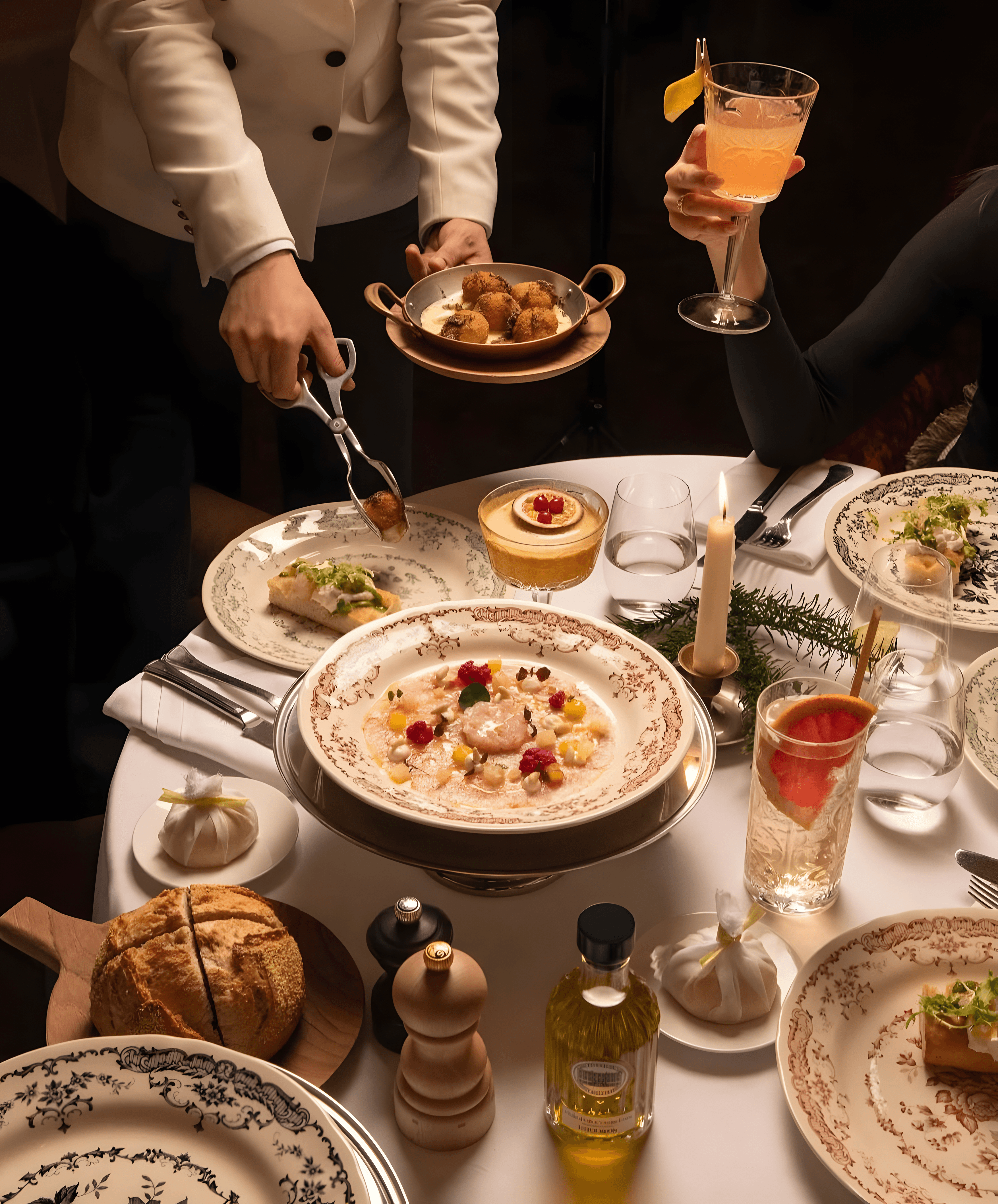
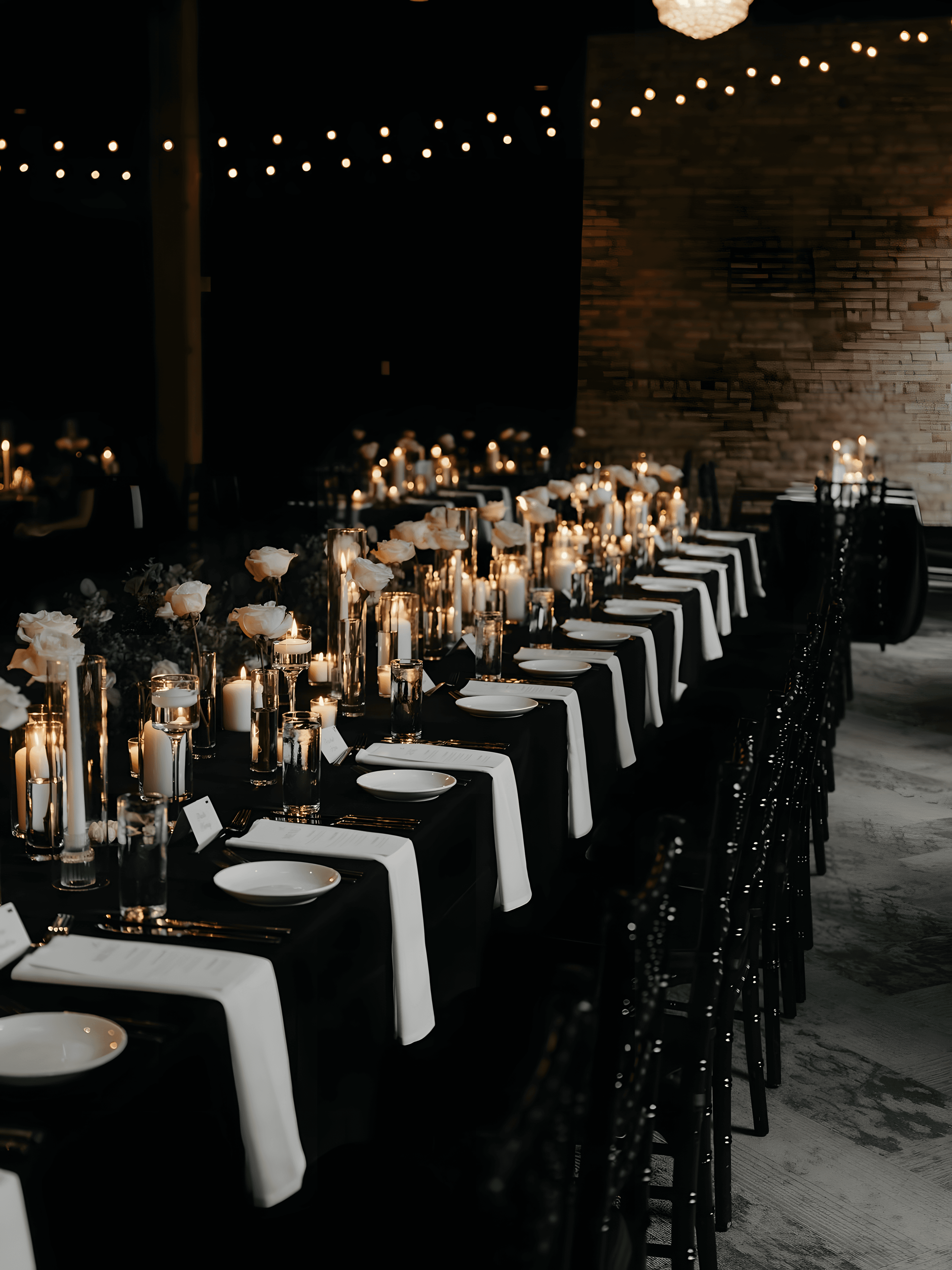
This stage focuses on service flow. You learn how dining service works from guest arrival to payment. Training includes table setup, order taking, service timing, and guest handling. You practice proper service standards used in hotels and restaurants. This builds confidence in front-of-house operations.
Bar, Bartending, and Beverage Service
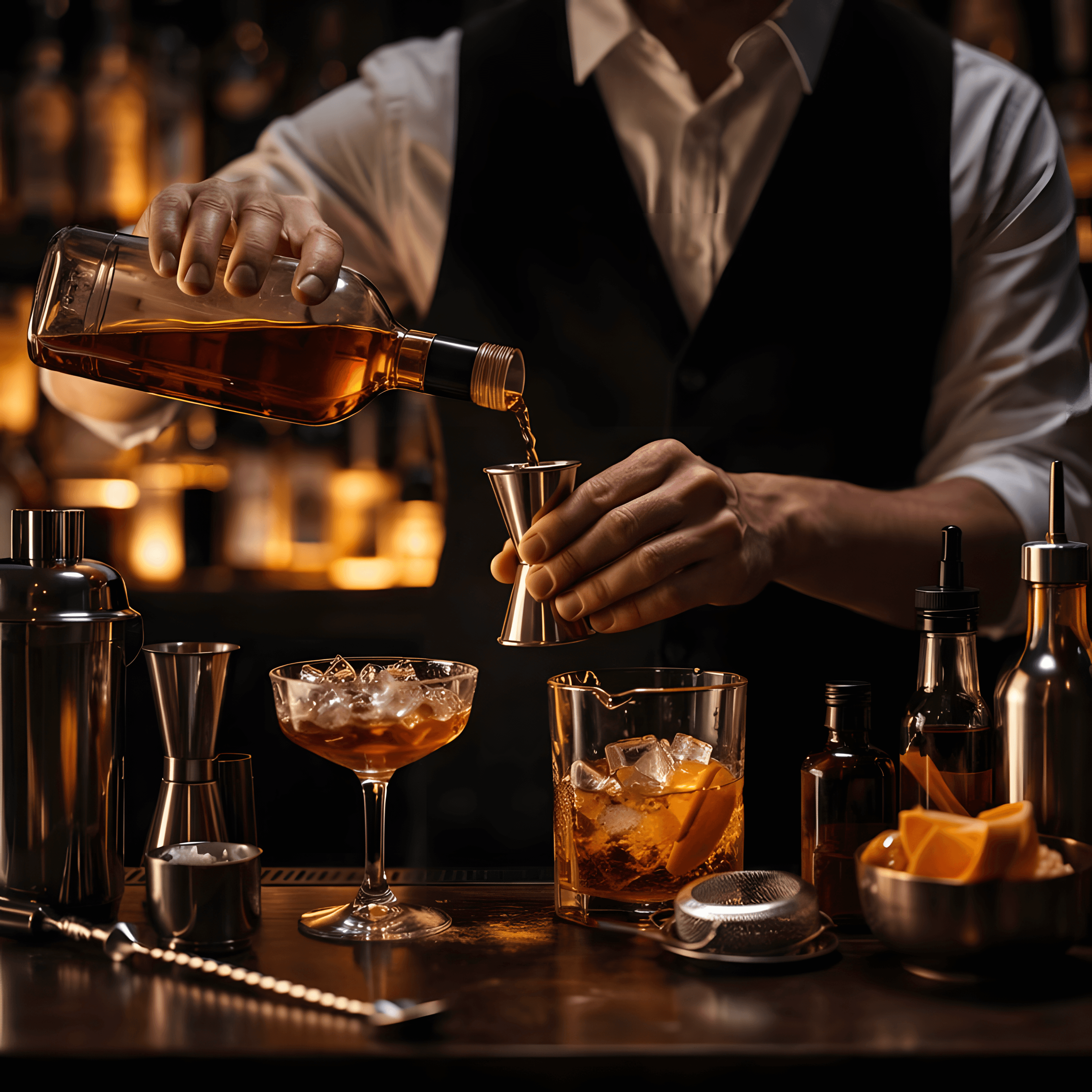
Students are trained in beverage service and bar operations. You learn basic bartending, wine mixing, and drink service. Barista skills are also introduced, including coffee preparation and handling. These skills are useful for hotels, cafes, bars, and resorts.
Inventory and Cost Awareness
Students are trained to track supplies and materials properly. You learn how inventory is counted, stored, and used efficiently. This skill is important for reducing waste and keeping operations profitable. These are real management skills used in hotels and restaurants.
The Result
By the end of the program, students understand how hospitality businesses run. You graduate with practical skills, service confidence, and operational knowledge. The program prepares you for roles in hotels, restaurants, food and beverage service, and event operations.
Overview
The program starts by teaching how hotels and restaurants actually work. You learn the structure of service businesses and how each department connects. From day one, the focus is on real operations, not theory. This builds a clear understanding of how guests are served and how teams work together.
Duration
4 Years
Hands-On Cooking
To manage food service, you first need to understand the kitchen. Students train in basic cooking and baking to learn how food is prepared and served. This helps you communicate better with kitchen staff and manage operations properly. You learn workflow, timing, and teamwork inside the kitchen.
Food and Beverage Operations
This stage focuses on service flow. You learn how dining service works from guest arrival to payment. Training includes table setup, order taking, service timing, and guest handling. You practice proper service standards used in hotels and restaurants. This builds confidence in front-of-house operations.
Bar, Bartending, and Beverage Service
Students are trained in beverage service and bar operations. You learn basic bartending, wine mixing, and drink service. Barista skills are also introduced, including coffee preparation and handling. These skills are useful for hotels, cafes, bars, and resorts.
Inventory and Cost Awareness
Students are trained to track supplies and materials properly. You learn how inventory is counted, stored, and used efficiently. This skill is important for reducing waste and keeping operations profitable. These are real management skills used in hotels and restaurants.
The Result
By the end of the program, students understand how hospitality businesses run. You graduate with practical skills, service confidence, and operational knowledge. The program prepares you for roles in hotels, restaurants, food and beverage service, and event operations.